Spotlight On: Gamay
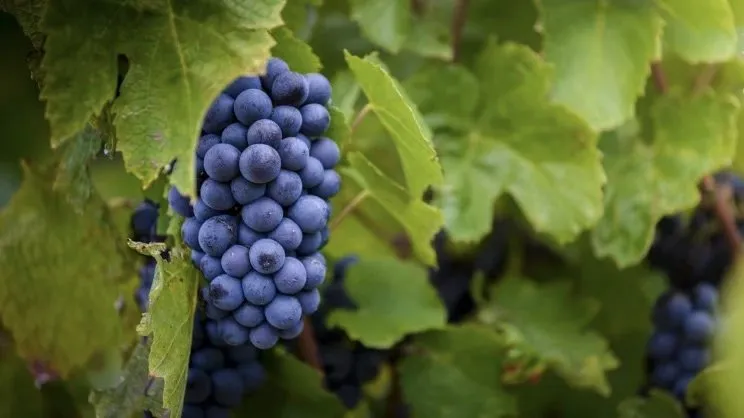
As the weather slowly shifts towards autumn, I find myself reaching for reds that still feel refreshing chilled down on warm days, but pair splendidly with the herbs and spices in autumn comfort food on cooler evenings. Gamay, with its vibrant fruit charm and earthy spice, fits the bill.
Gamay is best known for thriving on the granitic soils of Beaujolais, just south of Burgundy. Its long and storied history in France has included such dramatic events as its banning from Burgundy in the 1300s by the Duke of Burgundy and the Beaujolais Nouveau phenomenon, which had many producers releasing their first Gamay of the harvest in a light, bubblegum-sweet style that belied the grape’s potential for complexity.
While the Duke of Burgundy may have declared it an “evil and disloyal plant”, valuing instead the noble Pinot Noir, these days, Gamay can be seen as something like a free-spirited cousin to Pinot Noir — it’s both more carefree and also far less finicky to farm.
Len Evans is believed to have planted the first Gamay vines in Australia in the Hunter Valley during the late 70s. Plantings that followed tended to be in cool-climate areas, with the thinking being that where Pinot Noir thrives, Gamay should too. While still a rare-ish varietal in Australia, wineries in Adelaide Hills, Gippsland, the Yarra Valley, and Mornington Peninsula now boast Gamay vines.
Gamay is an underrated food-pairing wine, working beautifully with a variety of dishes from spicy Asian cuisine to herb-encrusted poultry to barbecued meat.
With no official style marking “typical” Australian Gamay yet, producers here are experimenting with a range of styles:
light and ethereal, tart and zippy, oak-aged and bold,
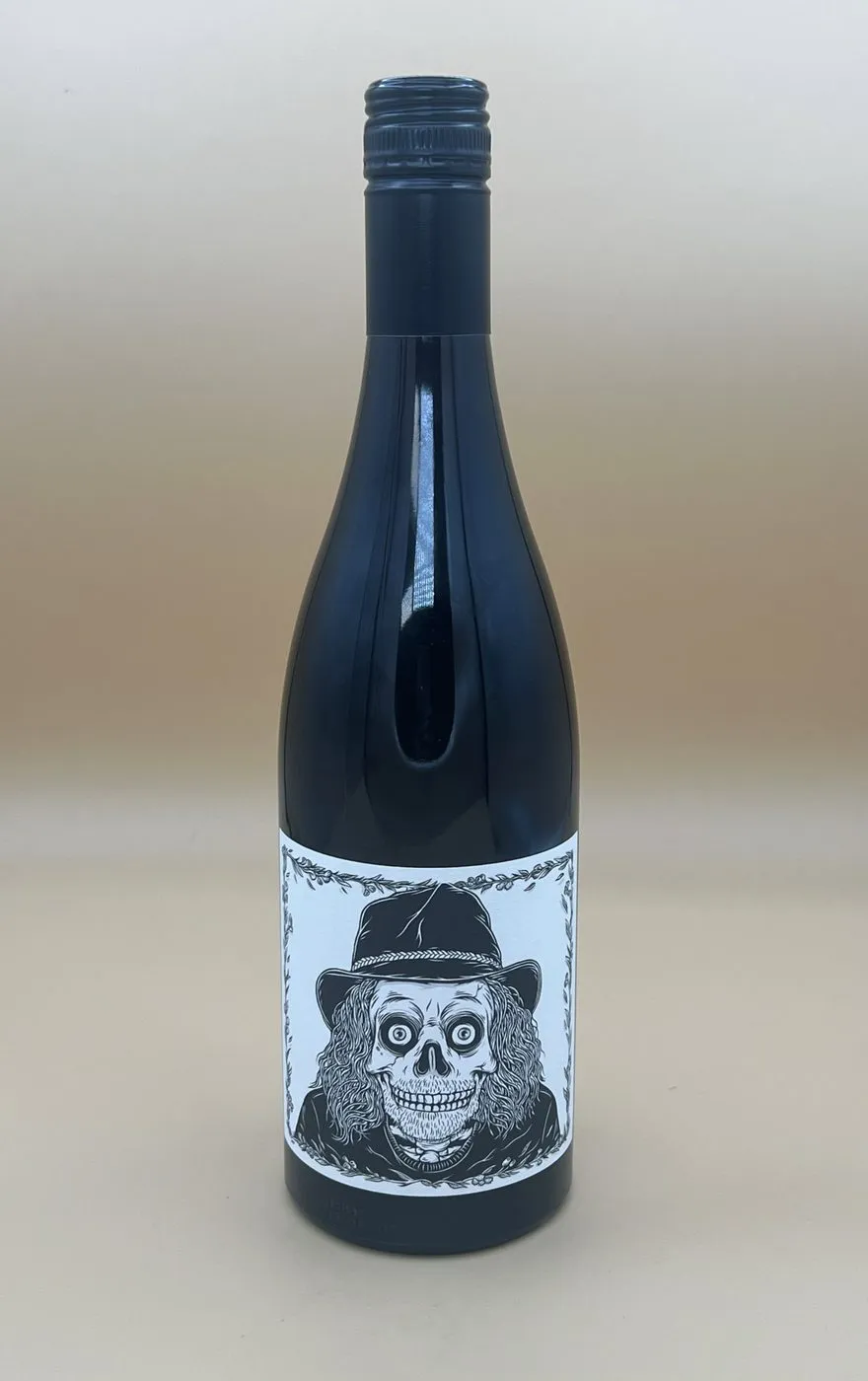
At Bottle Keg Can, we’ve been on a hunt for exceptional Gamay, and have found delicious versions from producers in the Hunter Valley, the Yarra Valley, and Orange. One standout is Vinden Wines’ 2025 Gamay blend, which features Gamay, Shiraz, and Pinot Meunier from Vinden’s two vineyards in the Hunter Valley. The grapes were co-fermented with wild yeast and aged 8 months in old oak. The resulting wine shows energetic red berry character and a hint of turned-earth broodiness, with plush tannin structure and a hint of spice.
It’s a wine that’s unfussy but can still make any occasion feel a bit more elevated, more special.