The Tasting Note
Learn something worth drinking. Pairings, deep dives, and what’s worth knowing about the people who make it all.
Spotlight On: Gamay
Read article 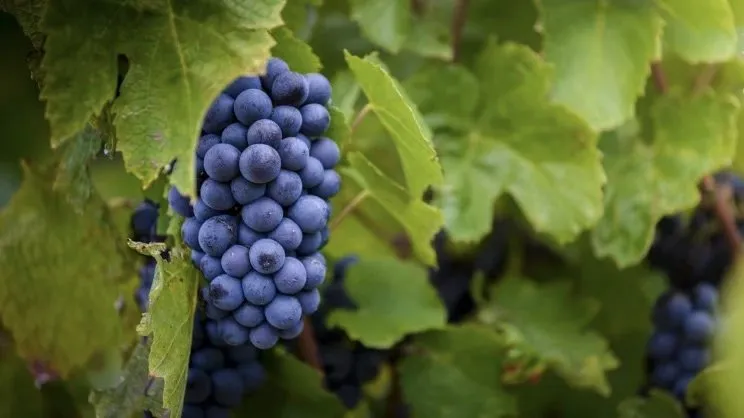
Spotlight On: Gamay
Read articleAs the weather slowly shifts towards autumn, I find myself reaching for reds that still feel refreshing chilled down on warm days, but pair splendidly with the herbs and spices in autumn comfort food on cooler evenings. Gamay, with its vibrant fruit charm and earthy spice, fits the bill.
Gamay is best known for thriving on the granitic soils of Beaujolais, just south of Burgundy. Its long and storied history in France has included such dramatic events as its banning from Burgundy in the 1300s by the Duke of Burgundy and the Beaujolais Nouveau phenomenon, which had many producers releasing their first Gamay of the harvest in a light, bubblegum-sweet style that belied the grape’s potential for complexity.
While the Duke of Burgundy may have declared it an “evil and disloyal plant”, valuing instead the noble Pinot Noir, these days, Gamay can be seen as something like a free-spirited cousin to Pinot Noir — it’s both more carefree and also far less finicky to farm.
Len Evans is believed to have planted the first Gamay vines in Australia in the Hunter Valley during the late 70s. Plantings that followed tended to be in cool-climate areas, with the thinking being that where Pinot Noir thrives, Gamay should too. While still a rare-ish varietal in Australia, wineries in Adelaide Hills, Gippsland, the Yarra Valley, and Mornington Peninsula now boast Gamay vines.
Gamay is an underrated food-pairing wine, working beautifully with a variety of dishes from spicy Asian cuisine to herb-encrusted poultry to barbecued meat.
With no official style marking “typical” Australian Gamay yet, producers here are experimenting with a range of styles:
light and ethereal, tart and zippy, oak-aged and bold,
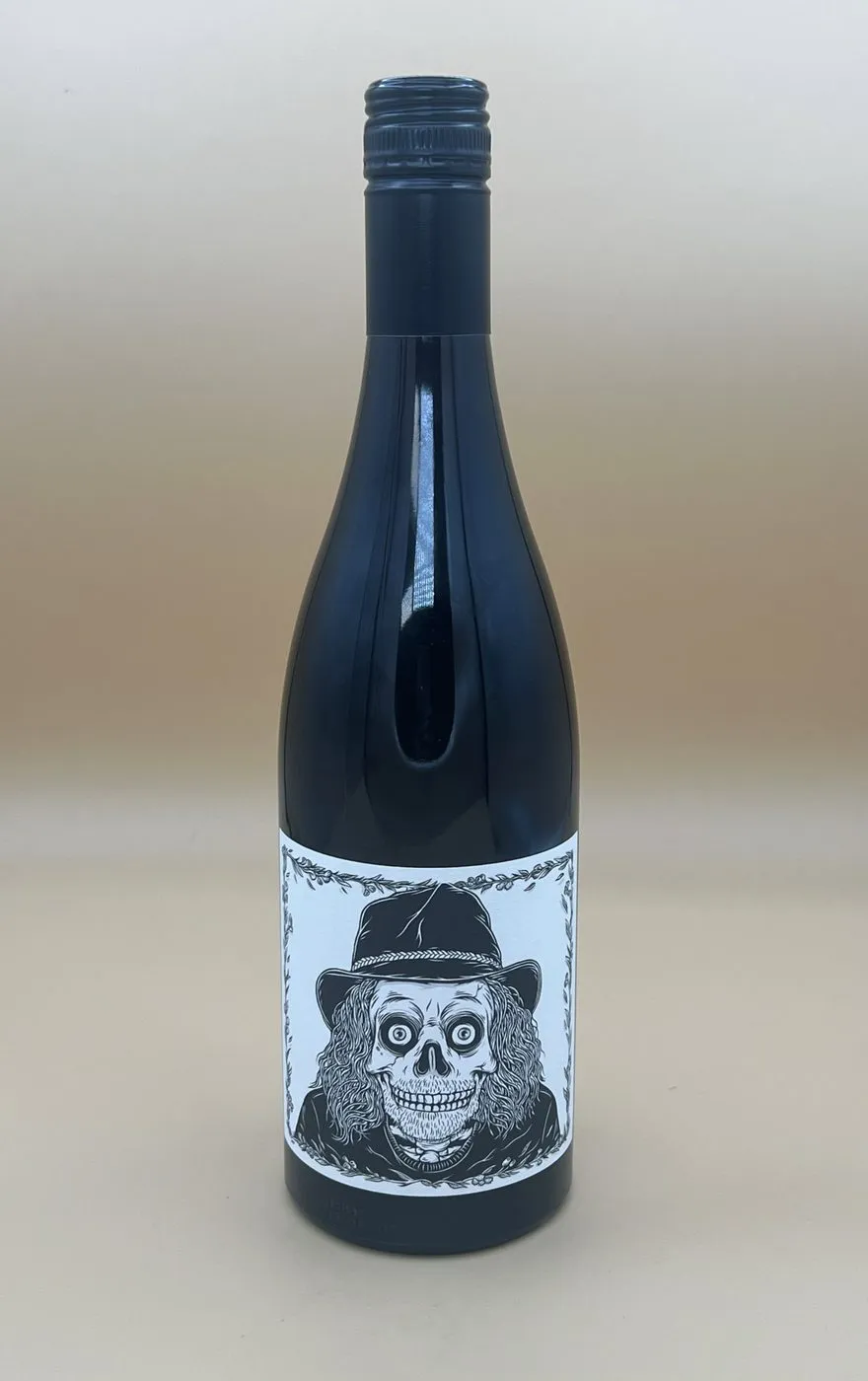
At Bottle Keg Can, we’ve been on a hunt for exceptional Gamay, and have found delicious versions from producers in the Hunter Valley, the Yarra Valley, and Orange. One standout is Vinden Wines’ 2025 Gamay blend, which features Gamay, Shiraz, and Pinot Meunier from Vinden’s two vineyards in the Hunter Valley. The grapes were co-fermented with wild yeast and aged 8 months in old oak. The resulting wine shows energetic red berry character and a hint of turned-earth broodiness, with plush tannin structure and a hint of spice.
It’s a wine that’s unfussy but can still make any occasion feel a bit more elevated, more special.
Future Brewing: Finding Rhythm
Read article 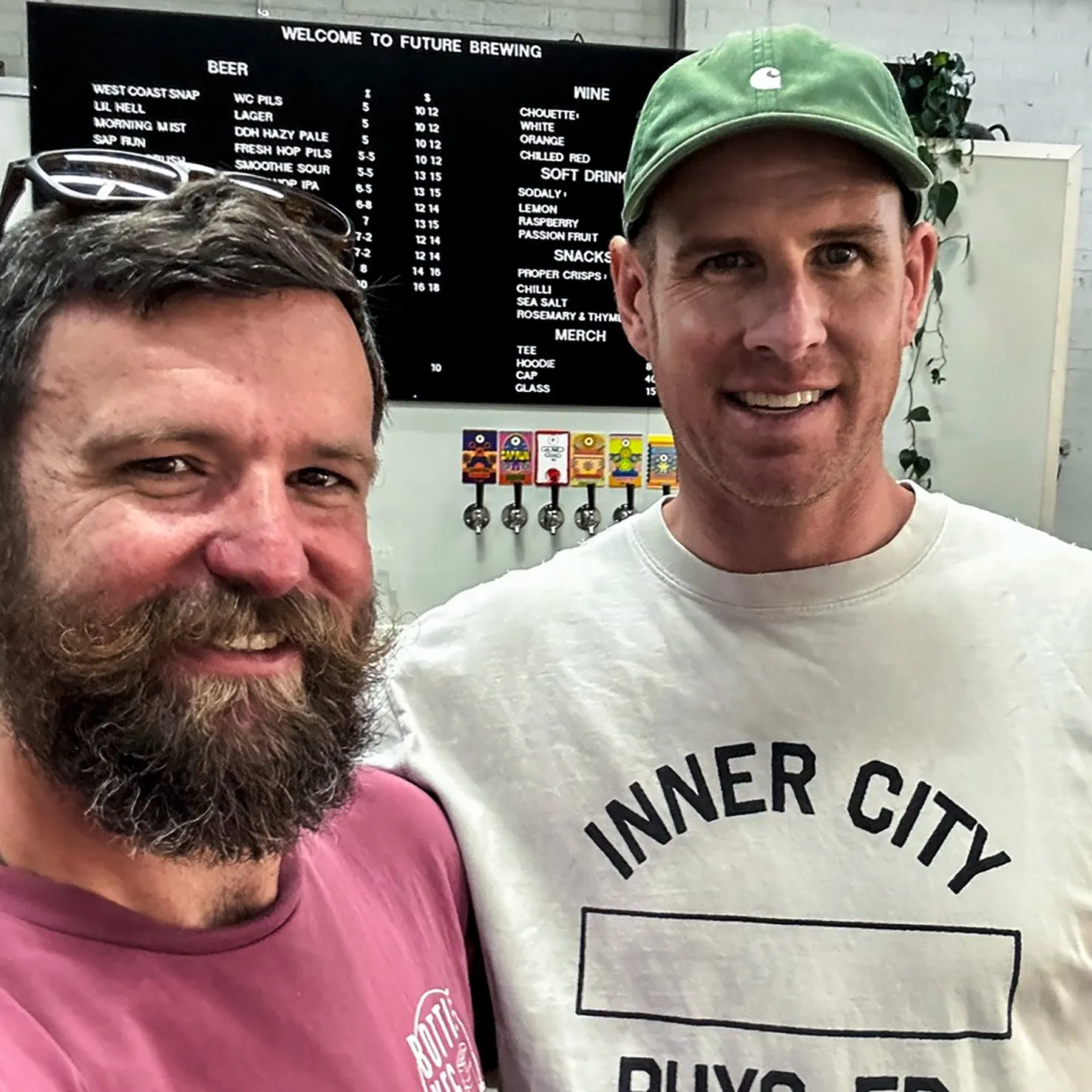
Future Brewing: Finding Rhythm
Read articleThere’s a lot going on in beer right now. New releases every week, plenty of noise, plenty of opinions.
Future Brewing feels a bit different.
Spend some time chatting with Brady and you get the sense pretty quickly: this isn’t about chasing hype. It’s about getting better at what they do, bit by bit, and letting that speak for itself.
And it’s starting to land.
From California to St Peters
Brady’s brewing story starts in the US. UC Davis for brewing science, then into Alvarado Street. It shaped how he approaches beer.
“We made everything there. Lagers, pilsners, hazy, West Coast, sours, stouts… a bit of everything. That was probably the biggest thing for me — learning different styles, different yeast, different ingredients. You’re not just stuck making one type of beer.”
That range carries through at Future. No single lane, just a clear preference for clean, well-built beer.
Where West Coast is heading
A lot of what Future does sits around modern West Coast styles. Leaner, sharper, more hop-driven.
“One of the first beers we made was ‘From the Get Go’, a real modern Cali IPA. That’s always been the direction… using newer hop profiles you’d normally see in hazy beers, but in a West Coast format.”
It’s still evolving here, but gaining ground.
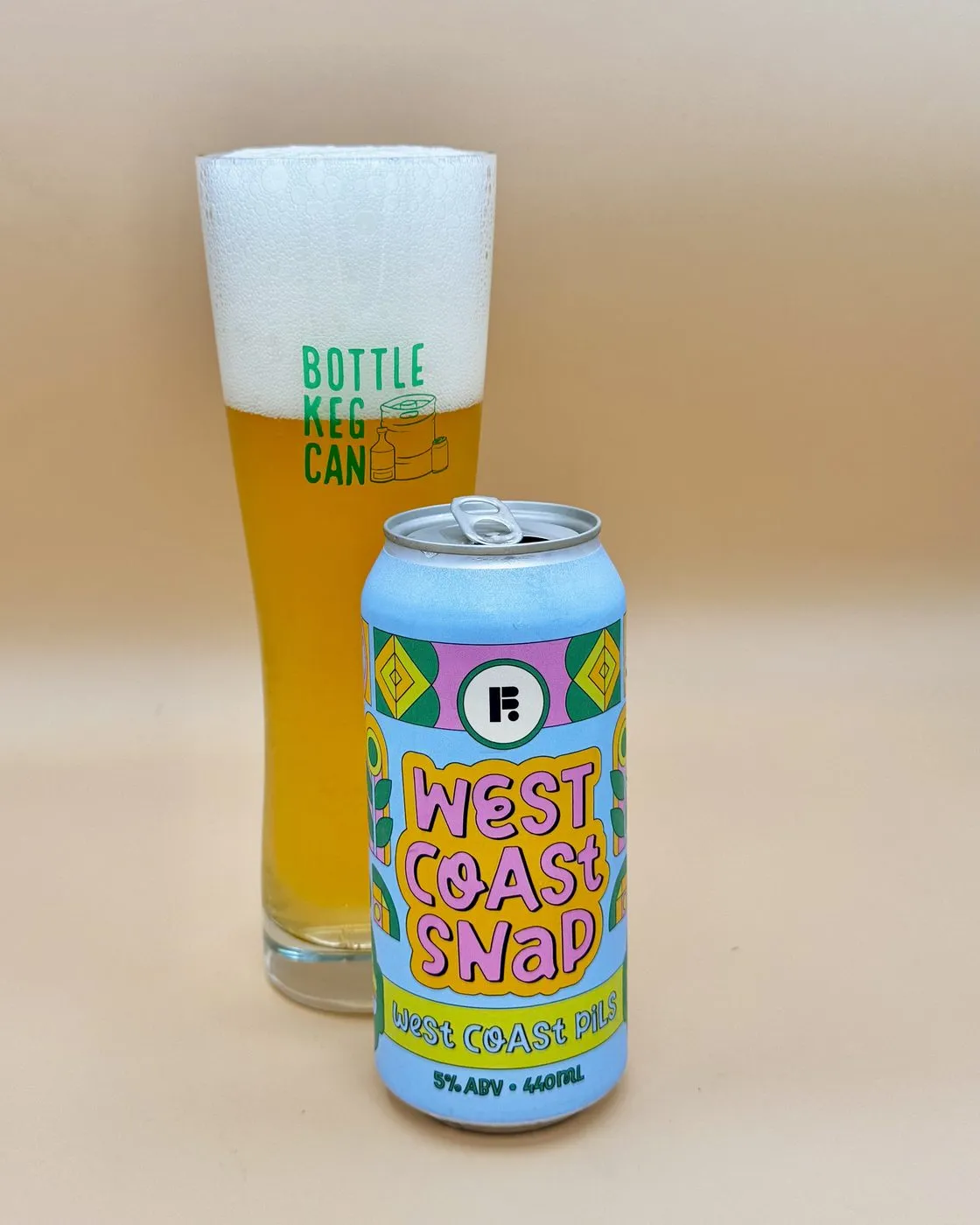
“I think styles like modern West Coast pils or Cali IPA are still underrated in Australia. In California they’ve been big for a few years. You’ve got that 5 to 5.5 percent range, really sessionable, but still heaps of hop aroma.”
“With the way we make them, it’s just really clean. No malt getting in the way. Super lean, really bright hops. You get that hop saturation in a 5 percent beer.”
Small, by design
Future sits in that mid-small range, brewing roughly once a week. No rush to scale.
“We’ve looked at adding tanks, but it’s a big commitment. Right now it’s about getting the most out of what we’ve got… keeping tanks turning over and brewing efficiently.”
There’s a reason for that.
“We want to stay at a size where we can experiment. Try different hops, yeast, styles. If you get too big, that gets harder.”
Collaboration as fuel
Future has built a strong track record with collabs, especially internationally. For Brady, it’s less about exposure and more about learning.
“Collabs are always fun, especially with international breweries. You’re working with completely different ingredients and processes… there’s no pressure. You can just openly talk about what you’re doing and share ideas.”
That mindset comes from his time in the US.
“At Alvarado, that was a big part of it. Breweries coming through all the time, from all over. You get exposed to so many different ways of doing things.”
It’s something he’s carried into Future.
“Getting out of your normal routine, talking through challenges, seeing how other people do things… it keeps it fresh.”
Consistency is the hard part
What’s been working lately isn’t a single beer. It’s the overall level.
“The last six to nine months, everything we’ve put out has been at a really high standard.”
That’s not easy at this scale.
“We’ve got a good baseline with our ingredients now, but we’re still tweaking things. Different hops, different yeast, small changes all the time.”
What’s next
There’s still plenty to chase. West Coast IPA remains a focus.
“We’re trying to make them super pale, really clear, really hop-saturated but still very drinkable.”
At the same time, there’s a shift toward more approachable strength.
“We’ve done quite a few doubles and triples. They’ll still happen, but more as special releases. The focus is that 5 to 7 percent range… still full flavour, but more sessionable.”
And, as always, it comes back to ingredients.
“New Zealand hop selection is coming up, so that’s always exciting. Just seeing what’s out there and what we can do with it.”
Drinking beer where it’s made
One point Brady keeps coming back to is how people experience beer.
“A lot of people form opinions based on what they’ve had locally, but there’s so much value in travelling and going to a brewery, sitting in the taproom and drinking the beer fresh.”
“Social media can show one thing, but when you actually go there, see the space, drink the beer how it’s meant to be… that’s when you really understand it.”
Next time you’re in St Peters, drop into Future. If you want to taste their latest releases, we’ve always got a strong selection in our fridges.
Autumn Edition
Read article 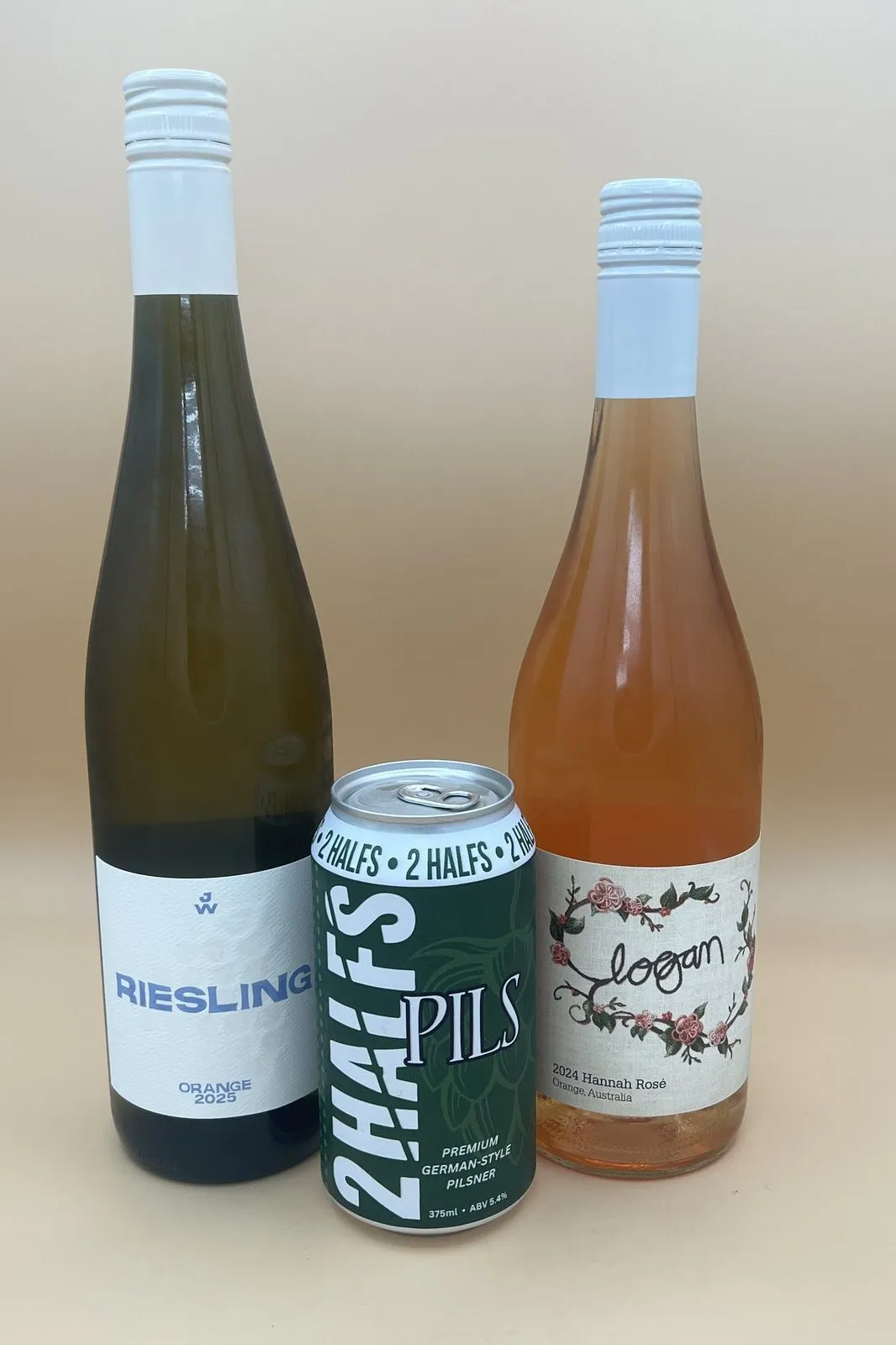
Autumn Edition
Read articleSushi
Mark — rice lager or German pilsner. “For me, the rice lager you get served in a proper sushi restaurant, in a chilled glass with plenty of head. Rice lagers have snuck quietly out of our fridges at the moment though, otherwise I’d be recommending New England Hitsuji. In the meantime I’d probably go for a German Pilsner like 2Halfs.”
Kate — Riesling or zippy rosé. “Sushi is the ultimate pairing food because there are so many flavours and textures at play. The briny, spicy elements of sushi would be well-matched with a zingy, mouthwatering white like the Jessop Riesling, but the bright fruit in a high-acid rosé like the Logan ‘Hannah’ rosé would also make a delightful pairing with salmon or tuna.”
Pumpkin and sage risotto
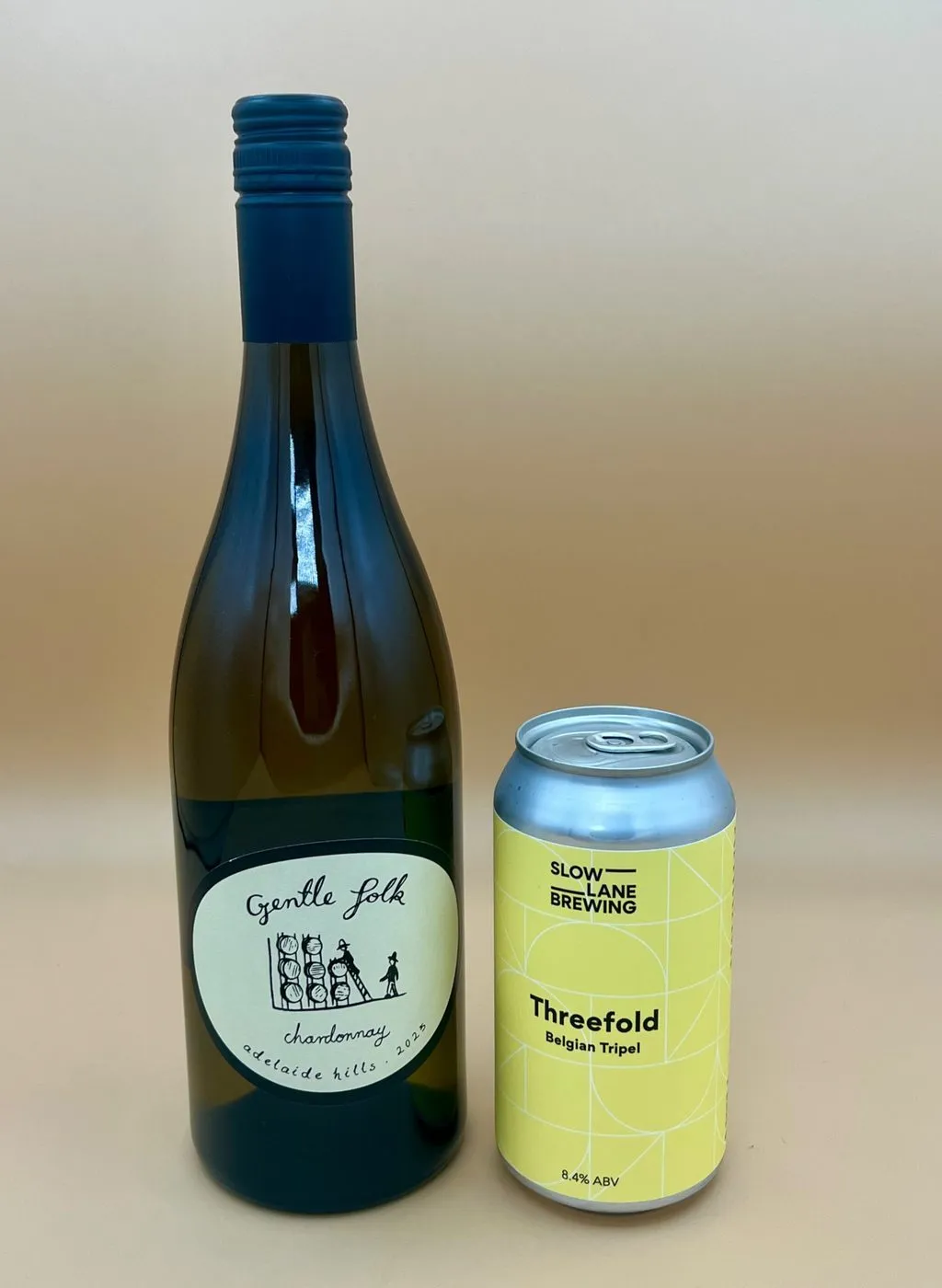
Mark — Belgian-style Tripel. “One of my favourites! Ideally it should have a nice sage and salt butter with it too. In which case I think it’s worth pushing the boat out a little and having a Belgian-style Tripel with this dish. In which case it can only be Slow Lane Threefold.”
Kate — Chardonnay. “A Chardonnay that has been aged in a gentle amount of oak and has just the right hint of toasty lushness will absolutely sing alongside the buttery, earthy flavours of a pumpkin risotto. I would grab the Gentle Folk Adelaide Hills Chardonnay for a luxurious autumnal treat.”
Brisket
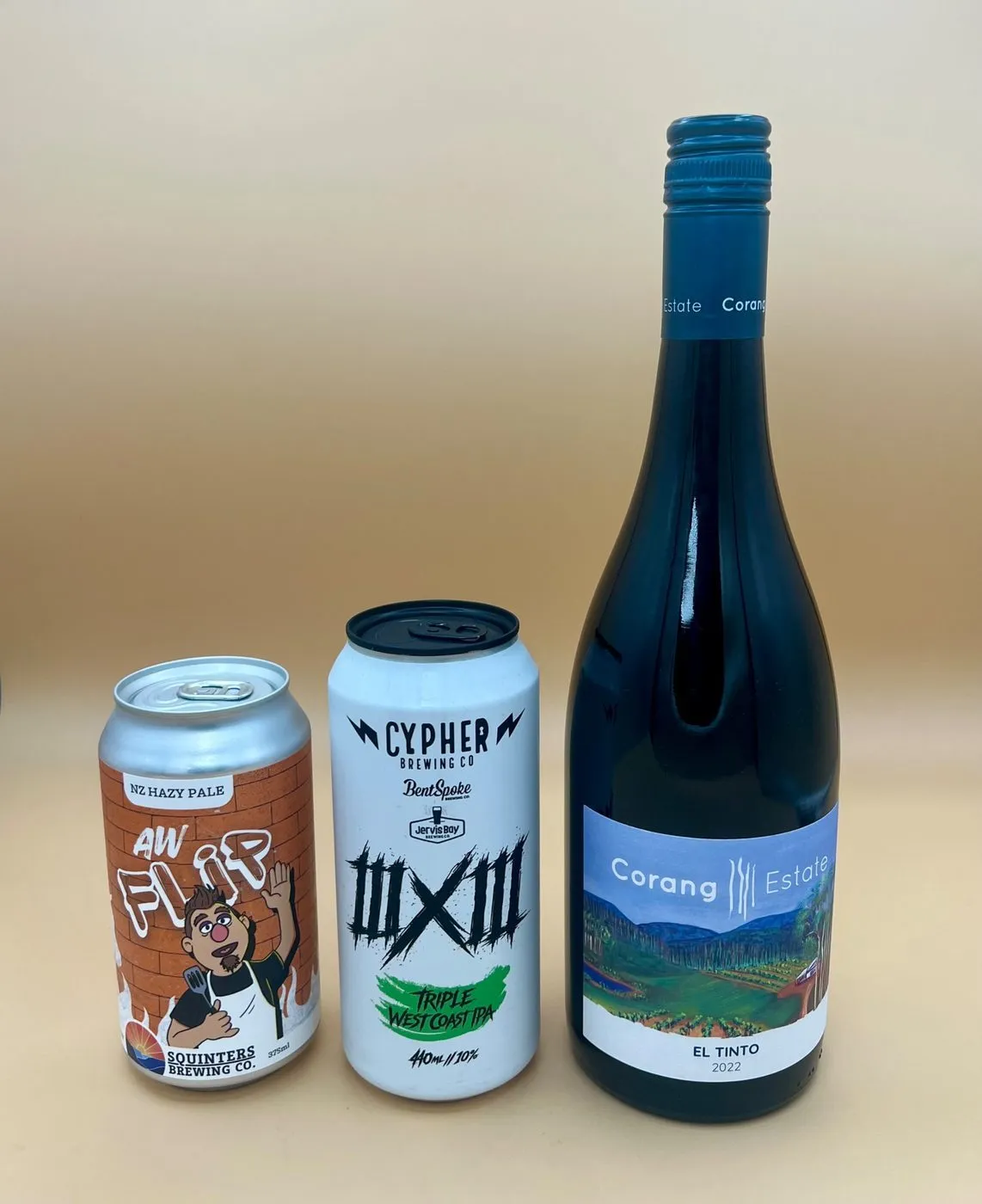
Mark — pale ale, then West Coast IPA. “Given that brisket takes a lot of preparation time, it’s good to have an easy pale ale whilst you’re prepping. So I think 1 or 2 Aw Flip Hazy from Squinters, then for the main event a big old West Coast IPA with plenty of acid and bitterness to cut through the rich fattiness of the brisket (my mouth is watering now). I’d be reaching for Cypher’s birthday collab Triple West Coast IPA to mark the occasion.”
Kate — bold red. “This is the time to bust out the reds that languished on the shelf during the warmer months — anything with big fruit and bold tannins would stand up to the meat of a brisket, and something peppery like Corang Estate’s El Tinto (a blend of Touriga, Tempranillo, and Graciano) would marry well with the meat’s seasonings.”
Our Favourites This Month
Read article 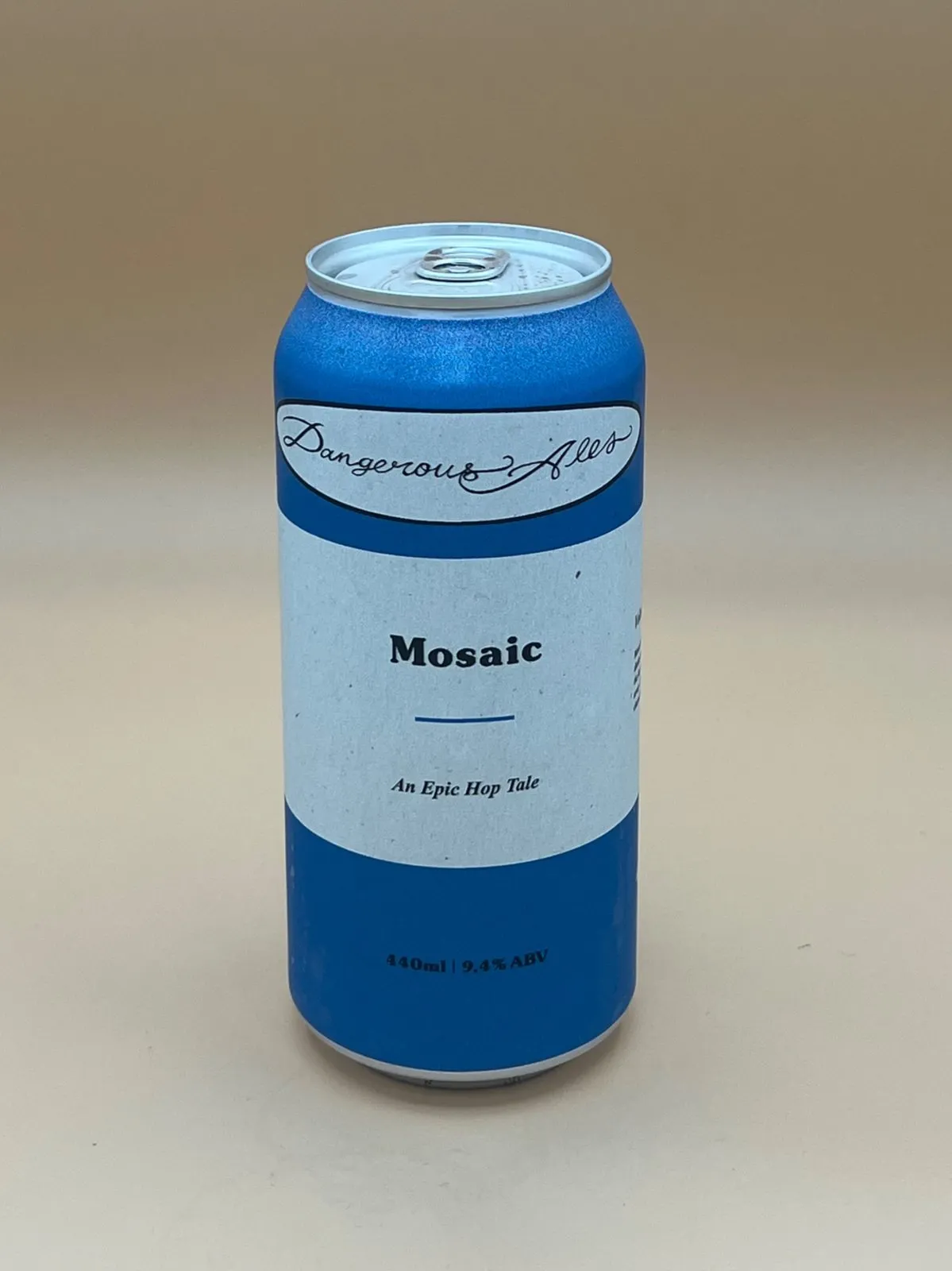
Our Favourites This Month
Read articleMark — Dangerous Ales ‘An Epic Hop Tale’ Mosaic TIPA
“Dangerous Ales have done it again with this fun series of beers. Each of the 4 focussed on a single hop and whilst they were all brilliant, Mosaic was my pick of the bunch — it made me very happy. 9.4% is big, but the booze is barely perceivable, instead your mouth is focussed on the flavour explosion going on. Distinctly Dangerous Ales. I’d struggle to pick the food to pair with it, maybe just a tough day (not an empty stomach) and a well-earned beer.”
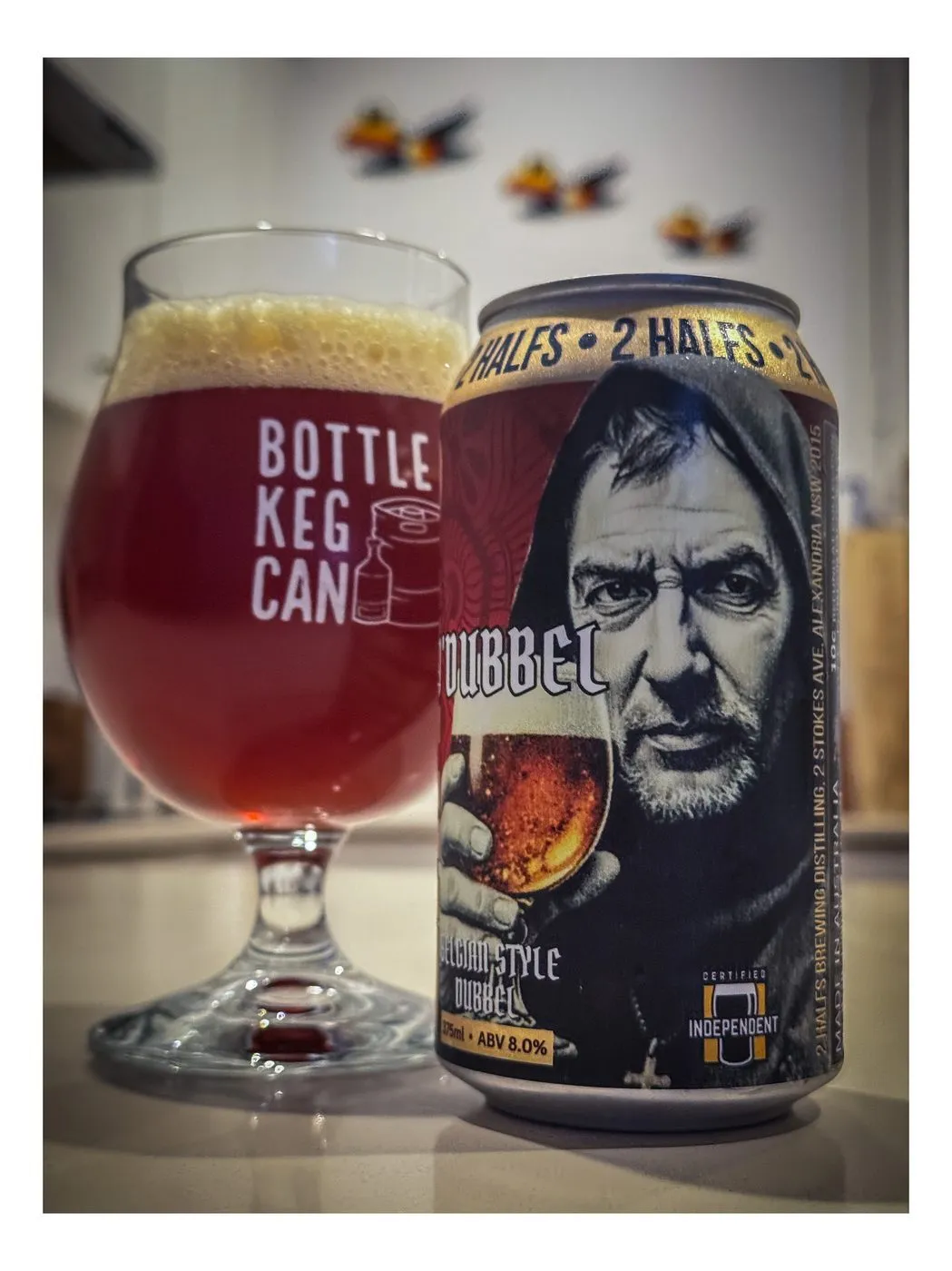
Dermot — 2 Halfs Dubbel
“Loved this beer! With the change of weather it was time for a proper dark beer with a pedigree and history. This Dubbel hit the brief: its 8% ABV delivered warmth and body, its beautiful dark amber colour. A malt-forward, easy-drinking beer with hints of caramel.”
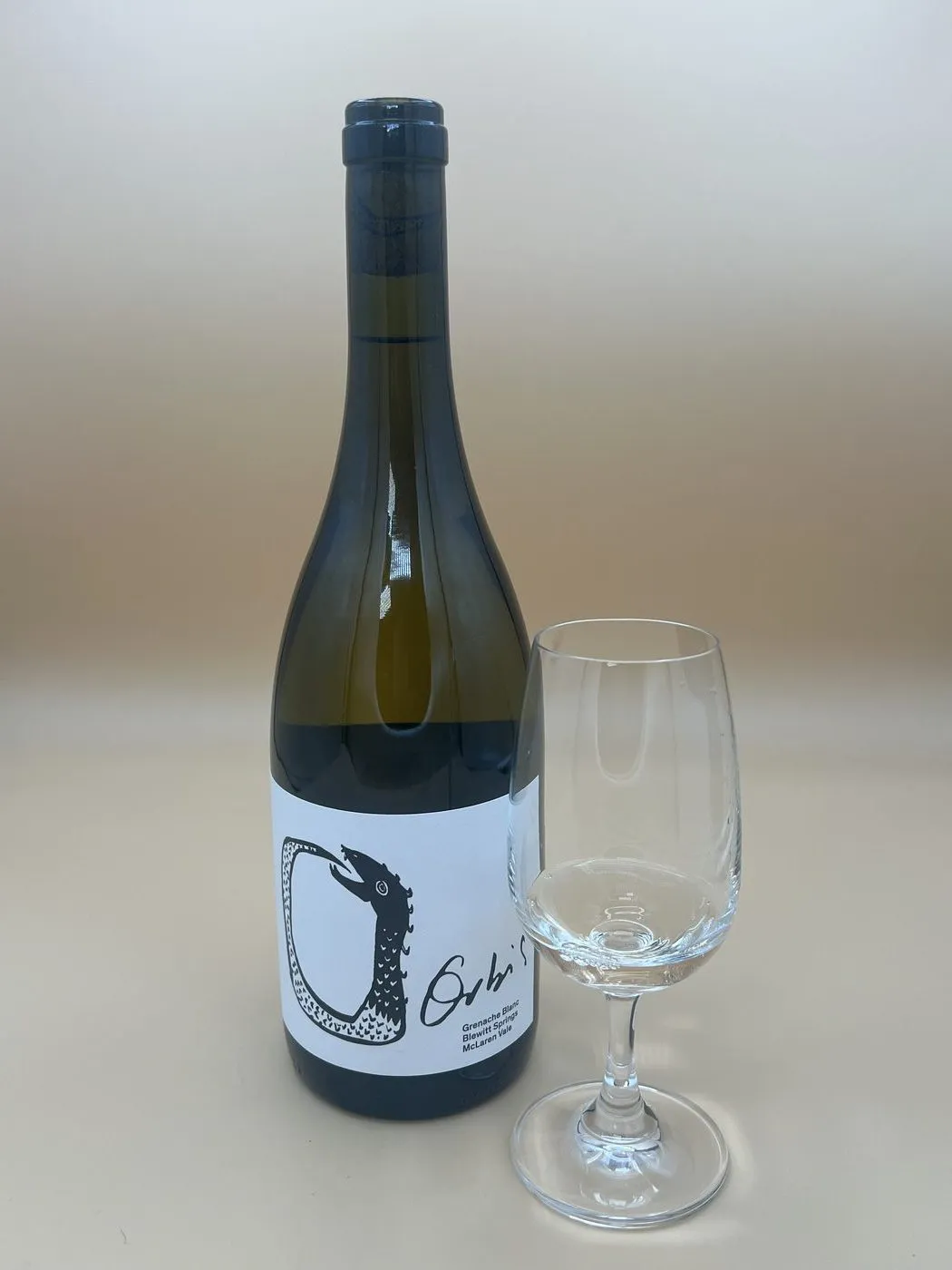
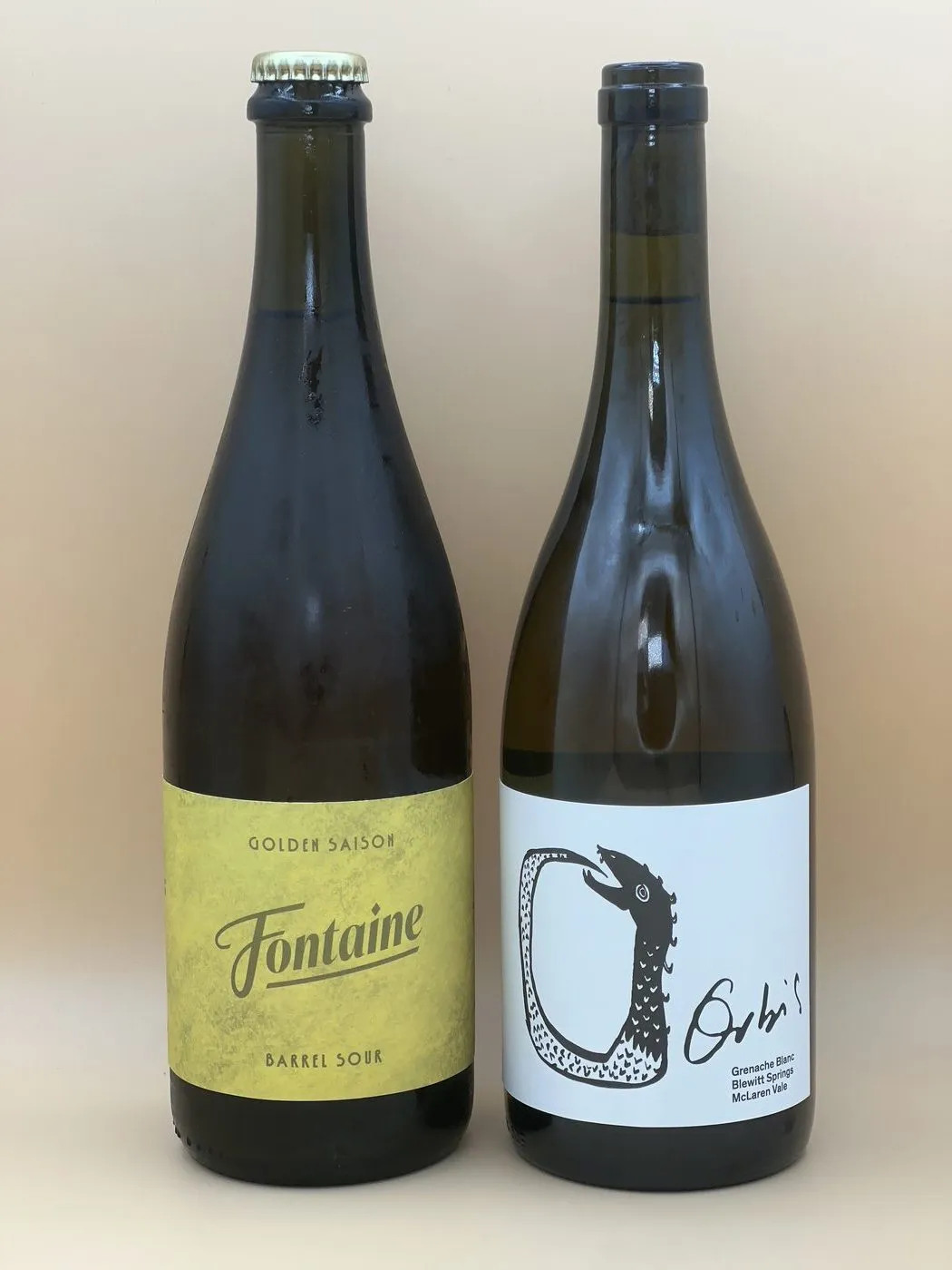
Kate — 2025 Orbis Wines Grenache Blanc
“Sometimes you want a white wine that offers bright fruit but has a little bit of a textural edge. This Grenache Blanc has all that and more: peach, pear, lime zest, ginger, green herbs, wet stone, apple skin. Delicious with food, delicious on its own.”
Chardonnay Pivots
Read article 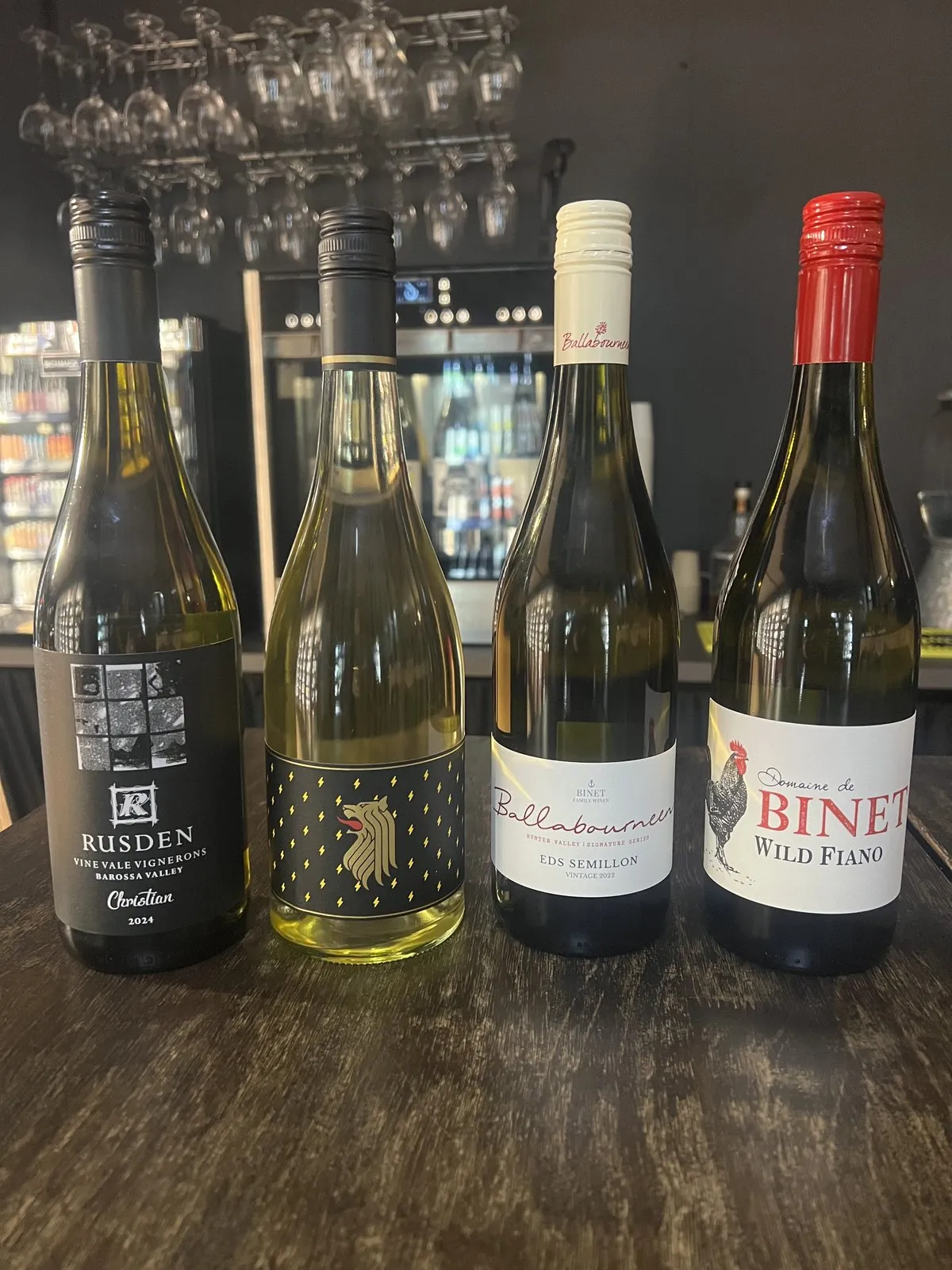
Chardonnay Pivots
Read articleThere seems to be a love/hate attitude surrounding Chardonnay. Fans go nuts for it, while others are ABC (anything but Chardonnay). While I think that the aggression is misplaced (I bet I could find a Chardonnay that even members of the ABC club would enjoy), today I’m catering to the lovers. There are other white grapes that produce lush, full-bodied wine you just might adore. And for our Chablis / unoaked Chardonnay people: I have options for you too!
Here are four alternate grape varietals for you to explore.
Chenin Blanc
This Loire Valley staple is known as a chameleon due to its ever-changing nature: its character is extremely influenced by winemaking practices. While it retains more acidity than Chardonnay, it shares similar lemon curd and orchard fruit notes and has a lovely camomile tea, lanolin quality. Versions aged in oak have a cosy richness that feels like slipping on your favourite sweater.
Roussanne
Best known from the Northern Rhône in France, this white grape produces wines that have a silky, full-bodied texture. Think: white flowers, lemon, beeswax. It can age beautifully and goes well with buttery, creamy dishes. Some Australian renditions can be a bit zippier than their French counterparts, making them well-suited to those who lean towards a more acid-driven Chardonnay.
Semillon
One of Australia’s most prized grapes. For the purposes of this recommendation, we’re talking about Semillon on its own, though it’s worth noting some styles are blended with Sauvignon Blanc. Similar to Chenin Blanc’s chameleon characteristics, Semillon can take on vastly different qualities depending on how it is made. Its high acidity makes it a bit zippier than Chardonnay, especially if it’s aged in stainless steel. Many producers in the Hunter Valley take this approach. But boy, can it age! Fresh apple and crisp citrus flavours meld into a toasty, honeyed delight with some age. On the other hand, if producers choose to age it in oak, you’ll get vanilla notes and a richer texture more aligned with an oaked Chardonnay, even in a more youthful bottling.
Fiano
There are a lot of producers playing with Fiano right now in Australia, and you can see why: it’s traditionally an Italian grape varietal, so it grows well in lots of our more Mediterranean-climate areas. Fiano makes a lovely, medium-bodied white with notes of melon, pear, and a hint of nuttiness. We have several delicious renditions of Fiano in the shop.
Ok, it’s time to explore! There are plenty of styles of all of these wines, so some trial and error and compare-and-contrast tasting could be especially illuminating. Chardonnay fans, rejoice! There’s more to love in the world of wine.
Catching Up at Bracket Brewing
Read article 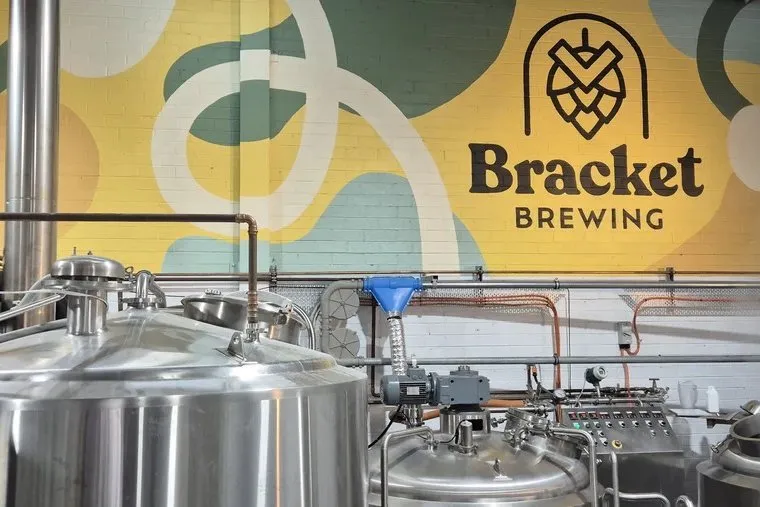
Catching Up at Bracket Brewing
Read articleBracket Brewing has built a serious reputation among Australian craft drinkers. The beers are precise, often bold and rarely repeated. There’s no permanent core range, just a steady rotation of releases driven by curiosity and constant refinement.
We caught up with co-owner and head brewer Mike Meletopoulo during a brew day to talk about where it all started, what keeps him experimenting, and why sometimes the best decision a brewer can make is to dump a batch. We paused a few times while Mike stepped downstairs to help out. Even at one of Australia’s most respected breweries, the work doesn’t stop when the conversation starts.
Mike’s path into brewing started, like many good stories, by accident.
“Personally, since… 2012 or 2013,” he says. “A mate and I were not great uni students. We took a food science subject because we’d heard it was easy.”
The first lecture was on fermentation.
“So we bought a Coopers home brew kit on the way home and it was all downhill from there.”
Homebrewing quickly turned into something more serious. Mike’s first real step into the industry came in the UK, working at Stewart Brewing and then Edinburgh Beer Factory before returning to Australia to work at Batch and Archie Rose.
One interview moment stuck with him.
“They asked what my favourite beer was and I said Augustiner Munich Helles. The owner gave me a weird look.”
It turned out the brewery interviewing him happened to make a Helles inspired by the same beer.
“My mate Dave got grilled afterwards because they thought he’d prepped me. But he didn’t.”
It’s still one of Mike’s favourite beers today.
The beer that never makes it
One of the less obvious realities of brewing is how much beer never makes it into a can or keg. Bracket produces around 75,000 litres a year, but only about 55,000 litres ends up packaged.
“The rest is loss,” Mike says. “When you look at it as about 20,000 litres a year that doesn’t make it into pack, that’s a huge amount of beer.”
Some of that is normal process loss. Some comes from harder decisions. Three batches were dumped last year alone.
For a smaller brewery, Mike says that can sometimes be the right call.
“I think there’s less risk for us to dump a whole beer because we’re small and we can pivot quickly.”
Larger craft breweries can face different pressures, especially when contracts or distribution commitments are involved. He points to Garage Project recently sharing that they dumped a batch they weren’t happy with.
“I thought that was impressive. Just saying ‘we weren’t happy with it, so it’s gone’.”
Two breweries that shaped the thinking
The first was Garage Project in New Zealand.
“In the early 2010s they were doing so much crazy stuff. So many amazing beers. It was always exciting.”
The second was Cellarmaker in San Francisco.
“They had constantly rotating taps. A few seasonal beers but everything else kept changing. Tiny taproom, heaps of variety.”
That visit stuck with him.
“I walked in and thought ‘holy fuck, this is amazing!’.”
Bracket adopted a similar mindset. No permanent core beers, just constant movement.
Small changes, big shifts
Brewing improvements often come from unexpected places.
“I’m going to make myself sound stupid,” Mike says, laughing. “But we didn’t use a pH probe for a very long time.”
When the team eventually revisited pH control, they discovered it had a big impact on haze stability in their hazy beers. Some batches looked beautifully turbid while others tasted great but appeared less vibrant.
What followed was months of small adjustments.
“You change one thing and something else shifts,” Mike says.
Eventually the team arrived at a process that worked. Not through a single breakthrough, but through steady trial and error.
“When you finally land somewhere that works, it’s pretty satisfying.”
Ingredient quality remains a constant focus at Bracket.
“For us there’s always going to be a constant search for the best hops we can get our hands on.”
Better access to American hop lots has helped recently. Mike says it’s fascinating how much variation you can see within a single hop variety depending on when it’s harvested.
“You can see four lots of the same hop and they’re completely different.”
Outside the brewery, Mike’s curiosity about fermentation keeps expanding. At home he experiments with lacto-fermented vegetables and other projects. Recently he’s been diving into sake, which uses a multi-parallel fermentation where mould converts starch into sugar while yeast ferments it at the same time.
“It’s a really cool process,” he says. “When I say when I get time… I’ve already bought most of the gear.”
The most underrated style in Australia
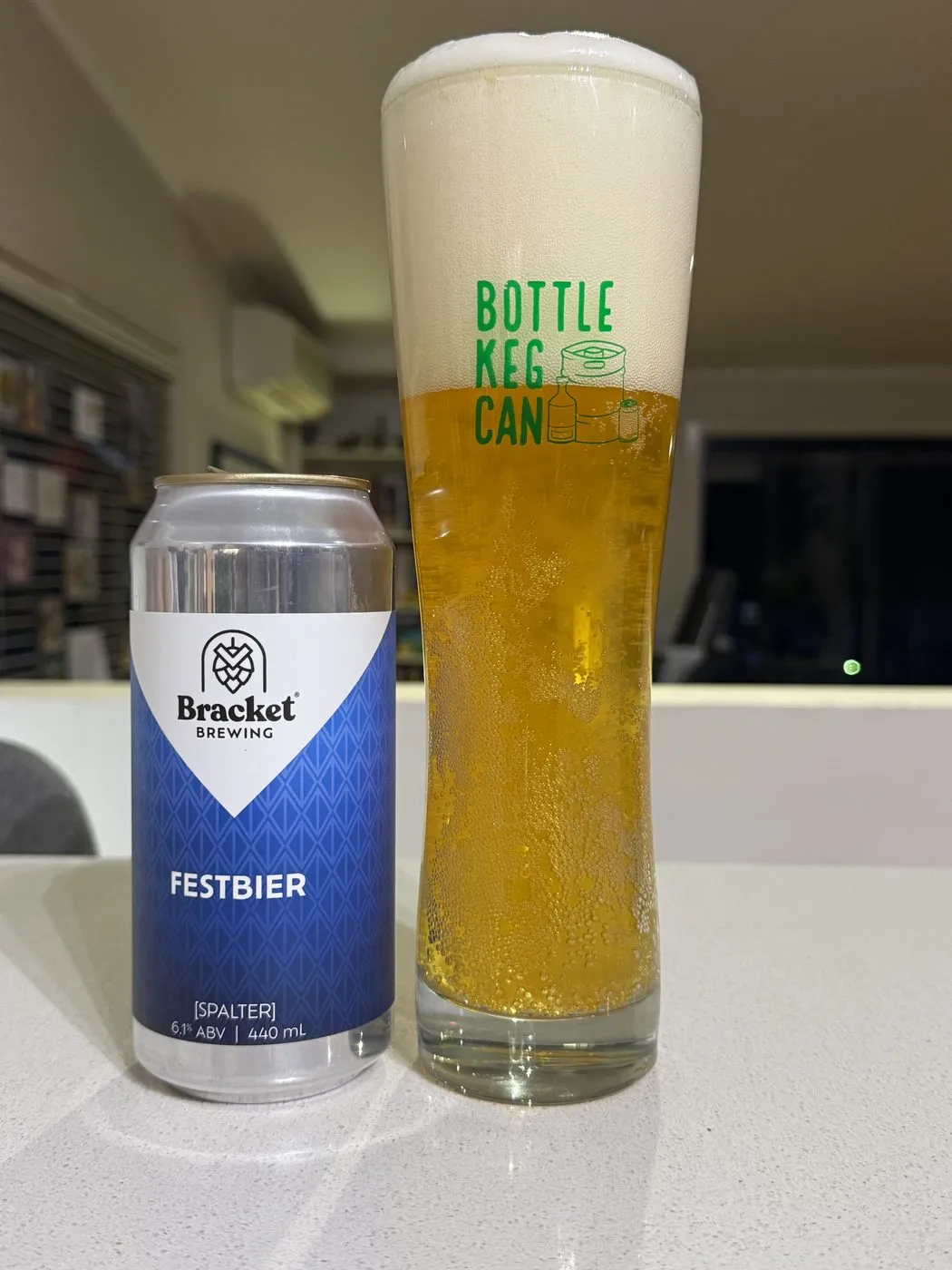
Ask Mike which style deserves more attention in Australia and the answer is immediate.
“Lagers.”
Many drinkers move away from lager when they first discover craft beer, associating the style with macro breweries. But for brewers, lager can be the ultimate test.
“It’s the best way to judge a brewery,” Mike says. “If their plain lager is bad, I probably wouldn’t spend more money there.”
There’s nowhere to hide.
“As Nick from One Drop says, it’s like standing in front of a crowd with your pants down.”
Another style Mike thinks deserves more attention locally is Belgian beer. Some Australian breweries are producing excellent examples, but they often fly under the radar.
Taste is personal
Something else that has surprised him over the years is how much perception can shift. Leading up to a release he might taste the same beer every day for weeks.
“Some days I’ll hate it and have no idea why,” he says.
A week later the same beer might taste fantastic.
“It’s very personal.”
That variability is part of the reason Bracket keeps experimenting rather than settling into a fixed lineup. One release might lean toward modern Cali IPA, while the next might push back toward a more classic West Coast style.
Another misconception Mike often hears relates to hazy beer. Many drinkers assume the haze is yeast.
“It’s not. Or at least it shouldn’t be.”
In most cases haze comes from proteins in the malt interacting with polyphenols from the hops. Even when sediment forms in the can, it’s often protein rather than yeast.
“It’s one of those brewing myths that’s stuck around.”
For Mike, brewing’s biggest appeal is the feedback loop.
“With beer you can see the result of a change in a couple of weeks.”
But another part of the job matters just as much.
“I like talking with our regulars,” he says. “I like hearing when they like the beers, and when they don’t.”
Sometimes the criticism stings.
“But if someone’s comfortable telling you that to your face, that’s a good thing.”
It means they care.
Thanks again to Mike for taking the time to chat with us in the middle of a brew day. If you’re keen to try some of the beers we talked about, the latest releases from Bracket have just landed and are sitting cold in the fridges at the shop now.
Late Summer Cookout Edition
Read article 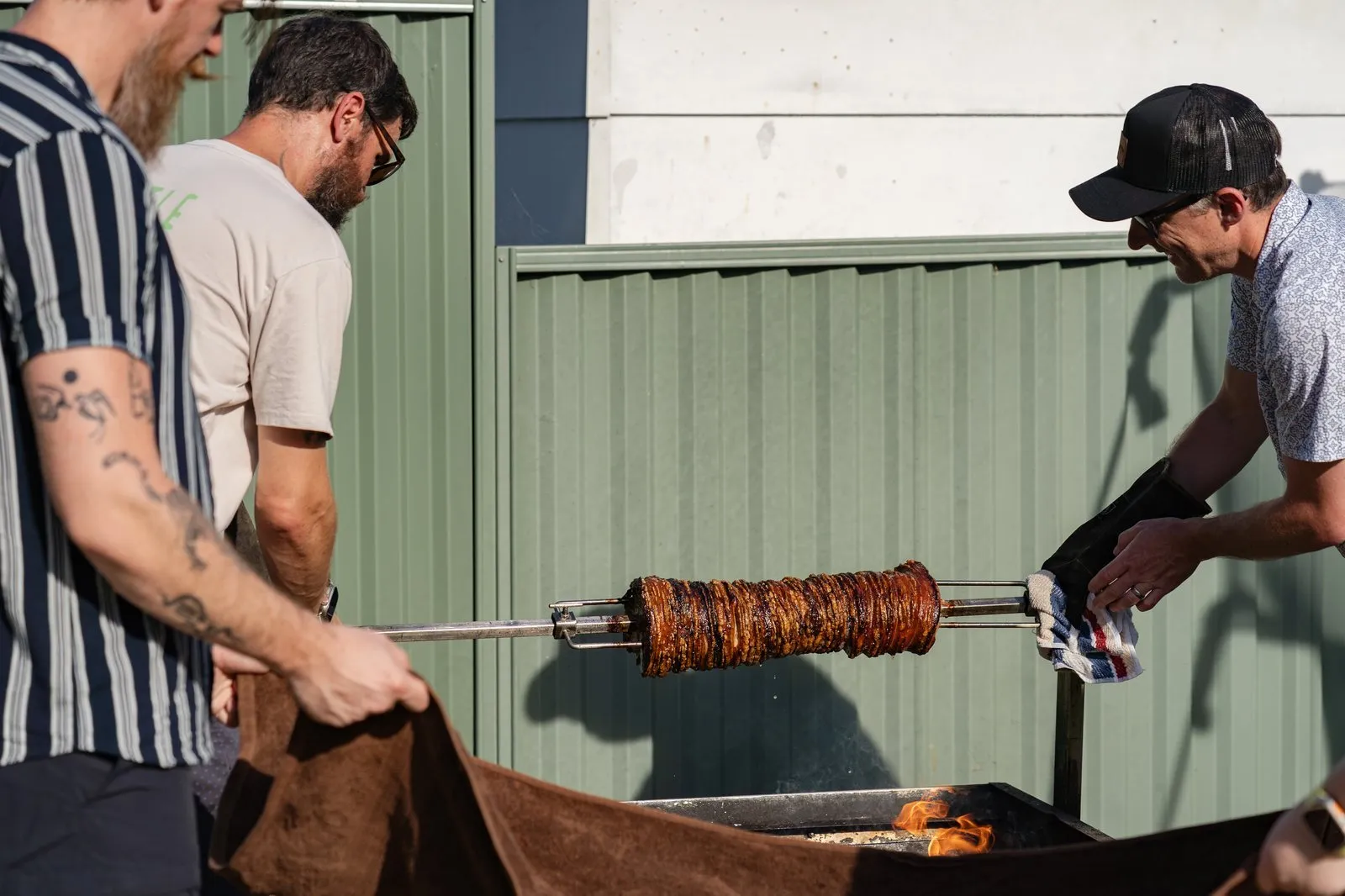
Late Summer Cookout Edition
Read articleSausage sizzle
Mark — something from the Bitter + Bold fridge. “The bitterness of a West Coast IPA or a Cali IPA will be refreshing when you’re standing next to a BBQ and will go wonderfully with a fatty pork sausage. If you’re tucking into one of the new lamb sausages from Steak Out Butchery then give something with a little more malt, like a Red IPA, a go.”
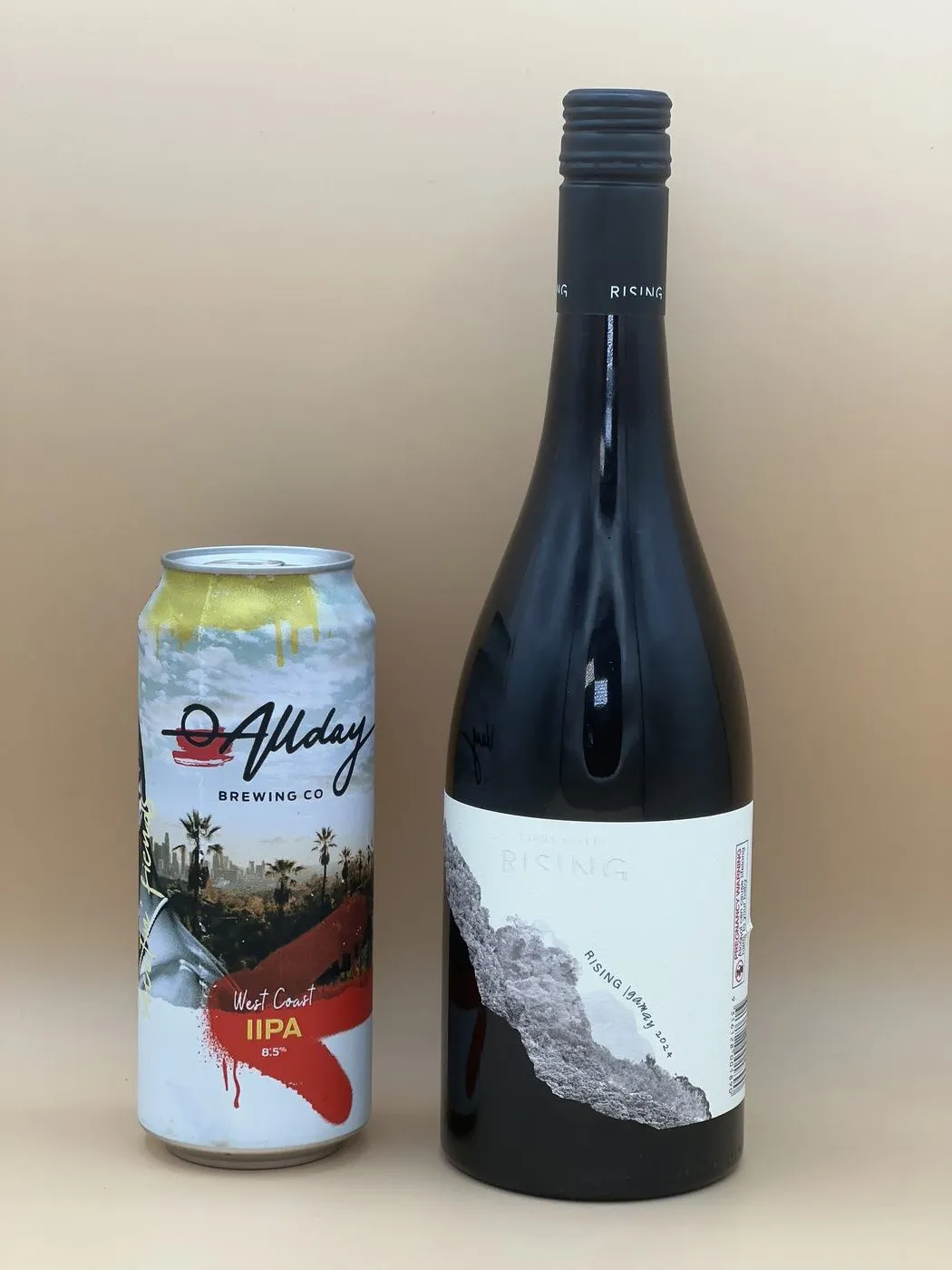
Kate — a light, fruity red. “The acidity of a light-bodied red like Gamay or Pinot Noir will cut through the fat of the sausage while still being a refreshing palate cleanser between bites, and the bright, juicy red fruit character pairs well with herbs, spices, and sauces.”
Grilled fish with mango salsa
Mark — the toilet. “I have a seafood allergy, so I wouldn’t touch this pairing with a barge pole. However, if that wasn’t the case, one of the fun Saisons from the Wild and Tart fridge would be the go.”
Kate — Grenache Blanc. “The medium-bodied, creamy texture and tangy, herbaceous notes of Grenache Blanc play nicely with both white fish and any fruity accompaniments.”
Pavlova with passionfruit
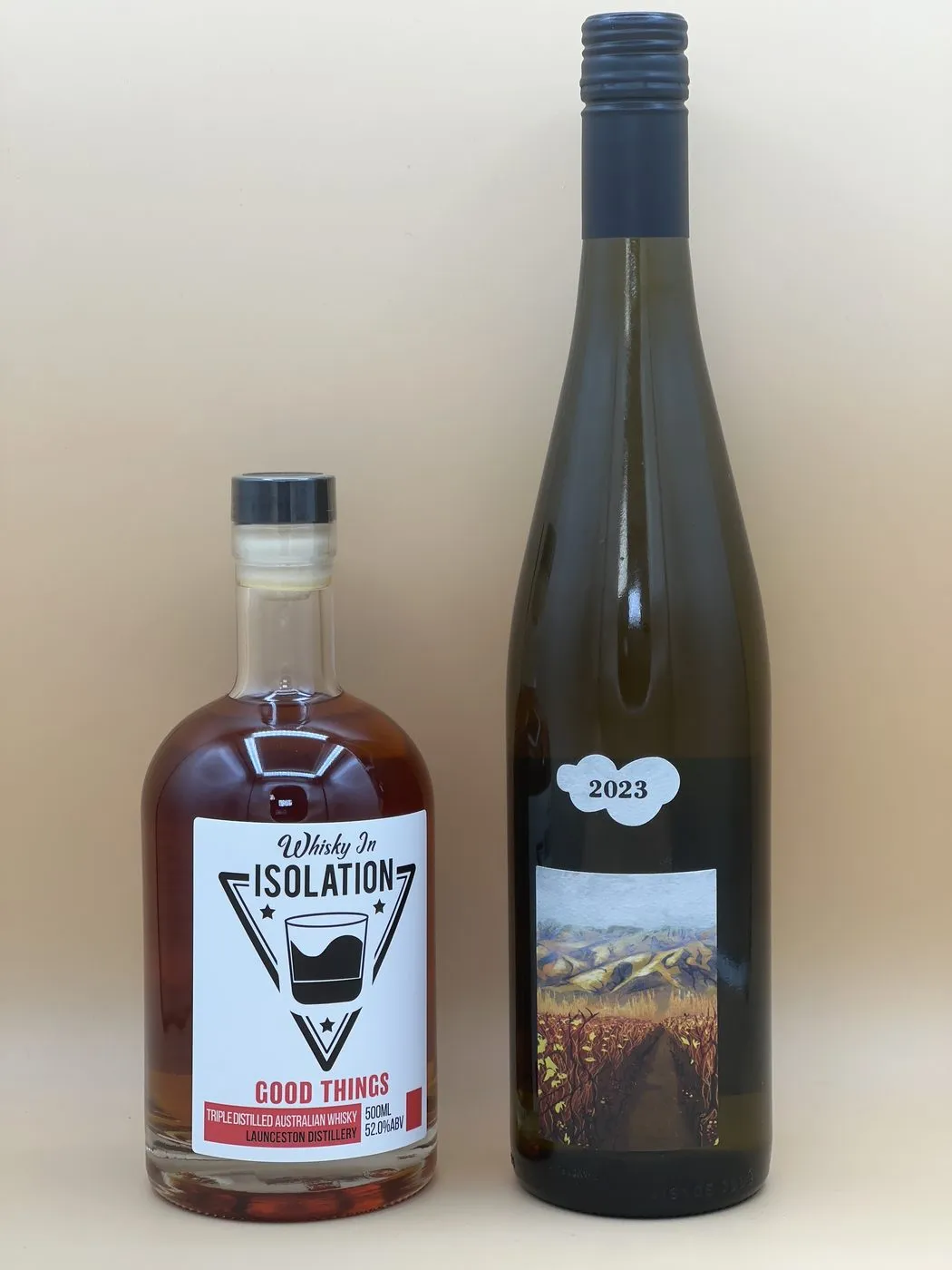
Mark — Whisky in Isolation ‘Good Things’ or Bellarine Legacy Liqueur. “A triple-distilled Australian whisky made with Launceston Distillery, this whisky has big lolly notes that will perfectly complement the sweetness of the meringue. For those that want something a little more dessert-y, the Legacy Liqueur is a Lemon Myrtle and Orange Gin blended with Botrytis Semillon — a real treat. Delicate and a bit boozy with tropical notes, it’ll go beautifully with the pav — I’ve even been tempted to pour a little over the dish too!”
Kate — off-dry or late-harvest Riesling. “Delicate meringue needs an equal-or-more-luscious beverage pairing to keep things sweet. A bright, honeyed Riesling emphasises all of the delightful tropical fruit flavours.”